
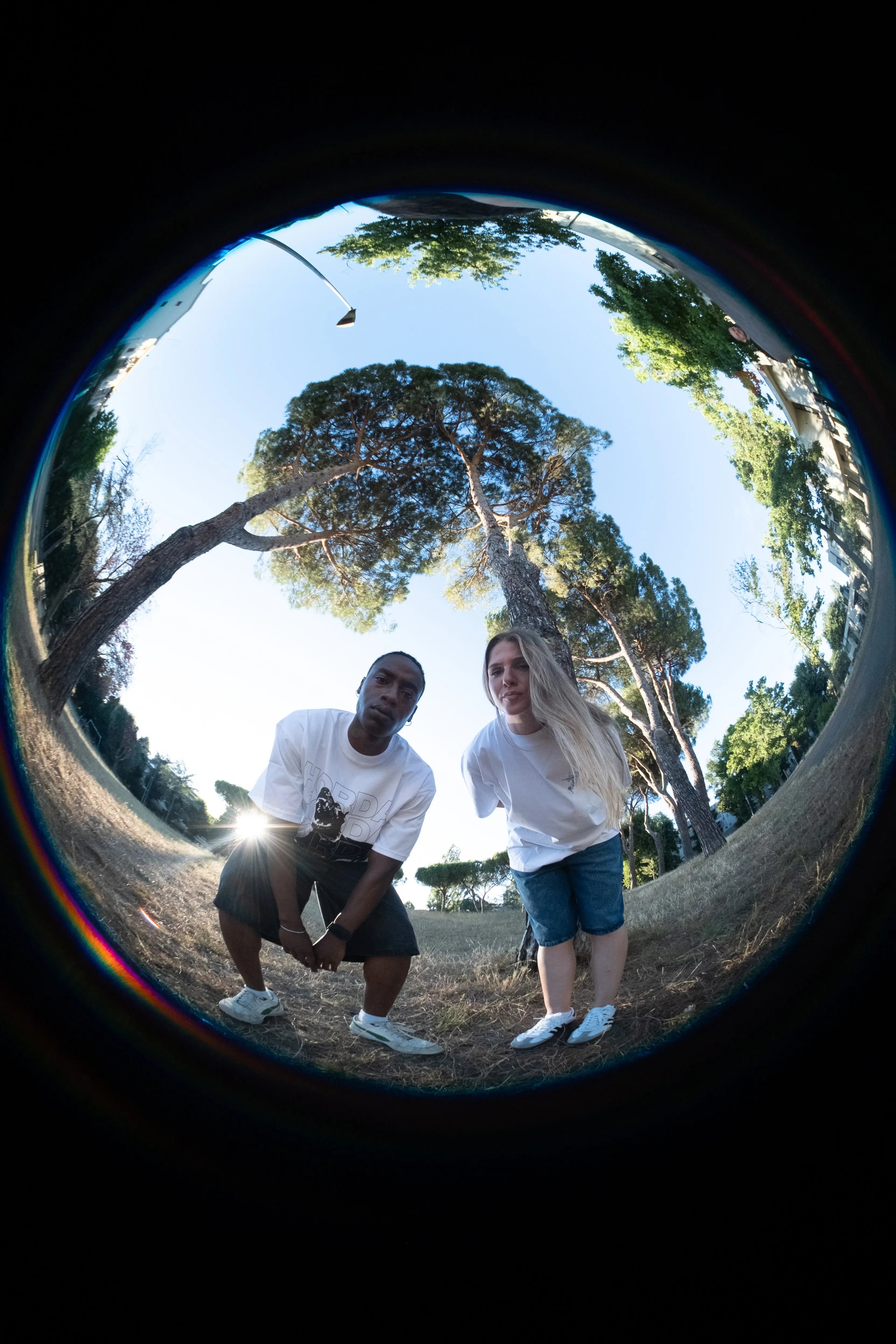
Streetwear literally means "street clothing". It is a casual style born between the 1970s and 1980s in California and New York, where skate, surf, hip-hop and graffiti culture met. Its signature pieces are oversized t-shirts and sweatshirts, loose trousers and sneakers, often with bold graphics and logos.
Streetwear: meaning and definition
The word combines street and wear. The Italian dictionary Treccani defines it as a "fashionable casual clothing style"; Garzanti describes it as the typical clothing of people into rap, skateboarding or breakdance, with caps, padded jackets and loose-fitting garments.
Today the term means more than a way of dressing: it is a culture that brings together music, art, urban sports and community.
The origins of streetwear
The 70s and 80s: skate, surf and hip-hop
Streetwear grew out of the youth subcultures of American cities. In California the surf and skate scene created its own clothing: one of the first brands was Stüssy, founded by Shawn Stüssy, who signed surfboards and t-shirts by hand. In New York, hip-hop took tracksuits, sneakers and loose clothes from the neighbourhood to the stage.
Rap and graffiti
Artists such as Run-D.M.C. and LL Cool J brought sneakers and street clothing to concerts and music videos. Graffiti gave the style its visual language: lettering, strong colours and graphics printed straight onto the garments.
Key features of streetwear
- Comfort and a relaxed fit: oversized and boxy fit t-shirts, hoodies and wide trousers, made to move freely.
- Graphics and design: logos, slogans and illustrations turn a garment into a means of communication.
- Sturdy fabrics: heavy cotton and denim that keep their shape over time.
- Drops and limited editions: small-quantity releases and collaborations with artists and other brands.
To understand the difference between the two most popular cuts, read our guide on the difference between oversize and boxy fit.
How streetwear has evolved
The 90s: going mainstream
As hip-hop spread and sneaker culture grew, streetwear moved beyond local scenes. Specialist shops opened and the first collaborations between sportswear brands and artists appeared.
The 2000s: the internet and globalisation
Blogs, forums and then social networks made trends travel in real time. Independent brands and emerging designers found an audience all over the world without going through traditional fashion channels.
Today: luxury and hype
Collaborations between streetwear and high fashion, such as Supreme x Louis Vuitton, have brought the style onto the runway. This is also where the term hypebeast comes from, used for people who chase the most sought-after pieces.
Streetwear in Italy
In Italy the roots of streetwear go back to the 1980s with the paninari, a colourful and recognisable youth fashion. In the following years the Italian rap and skate scene built its own identity, combining urban culture with the manufacturing tradition of Made in Italy.
To discover the brands in this space, read our 2026 guide to streetwear brands.
Horda: Italian streetwear
Horda Brand is an Italian streetwear brand founded by Tommaso Landi and Lorenzo Capaccioli. It is inspired by old school style with modern touches: garments with hand-drawn graphics, in 100% cotton, made in Italy.
The name "Horda" recalls a united community; the symbol is an ant wearing a gas mask, which also appears on the tags.
Horda works with the worlds of music and art: the podcast Orange Talk by Inoki Ness, Nesli and the artist Sarah Toscano, with dedicated limited editions.
Discover Horda's boxy fit t-shirts and boxy fit sweatshirts.
Frequently asked questions
What does streetwear mean?
It means "street clothing": a casual style born from the urban cultures of skate, surf and hip-hop.
When did streetwear start?
Between the late 1970s and the 1980s, in California and New York.
What are the typical streetwear pieces?
Oversized or boxy fit t-shirts and sweatshirts, hoodies, wide or cargo trousers, sneakers and caps.
Street wear or streetwear: how is it spelled?
Both forms are used, but the most common is streetwear, written as one word.